New (2026) . How to Detox your kidney and simple remedies and cure for Kidney failure

Many people with chronic kidney disease (CKD) will not have symptoms because it does not usually cause problems until it reaches an advanced stage.
***Early stages of CKD***
Kidney disease does not tend to cause symptoms when it's at an early stage.
This is because the body is usually able to cope with a significant reduction in kidney function.
Kidney disease is often only diagnosed at this stage if a routine test for another condition, such as a blood or urine test, detects a possible problem.
If it's found at an early stage, medicine and regular tests to monitor it may help stop it becoming more advanced.
*****Symptoms of Kidney Disease*****
A number of symptoms can develop if kidney disease is not found early or it gets worse despite treatment.
Symptoms can include:
- weight loss and poor appetite
- swollen ankles, feet or hands – as a result of water retention
- shortness of breath
- tiredness
- blood in your pee (urine)
- an increased need to pee – particularly at night
- difficulty sleeping (insomnia)
- itchy skin
- muscle cramps
- feeling sick
- headaches
- erectile dysfunction in men.
This stage of CKD is known as kidney failure, end-stage renal disease or established renal failure. It may eventually require treatment with dialysis or a kidney transplant.
*****Causes of CKD*****
Chronic kidney disease is usually caused by other conditions that put a strain on the kidneys. Often it's the result of a combination of different problems.
CKD can be caused by:
- high blood pressure – over time, this can put strain on the small blood vessels in the kidneys and stop the kidneys working properly
- diabetes – too much glucose in your blood can damage the tiny filters in the kidneys
- high cholesterol – this can cause a build-up of fatty deposits in the blood vessels supplying your kidneys, which can make it harder for them to work properly
- kidney infections
- glomerulonephritis – kidney inflammation
- autosomal dominant polycystic kidney disease – an inherited condition where growths called cysts develop in the kidneys
- blockages in the flow of urine – for example, from kidney stones that keep coming back, or an enlarged prostate
- long-term, regular use of certain medicines – such as lithium and non-steroidal anti-inflammatory drugs (NSAIDs)
*****Treatments for CKD*****
There's no cure for CKD, but treatment can help relieve the symptoms and stop it getting worse.
Your treatment will depend on how severe your condition is.
The main treatments are:
- lifestyle changes to help you remain as healthy as possible
- medicine to control associated problems such as high blood pressure and high cholesterol
- dialysis – treatment to replicate some of the kidney's functions; this may be necessary in advanced CKD
- kidney transplant – this may also be necessary in advanced CKD
You'll also be advised to have regular check-ups to monitor your condition.
- Black coffee. Coffee, in moderation, is safe for people with kidney disease. ...
- Unsweetened green tea. ...
- Low-sugar smoothies. ...
- Infused water. ...
- Cranberry juice. ...
- Homemade ginger ale.
****Below are 8 easy ways to cleanse your kidneys****
1. Apple Cider Vinegar.
 Apple cider vinegar is effective in preventing oxidative stress of the kidneys. It increases the levels of antioxidants in the body, balances blood sugar levels and reduces blood pressure, creating optimum conditions for kidney health. Apple cider vinegar contains citric acid which dissolves kidney stones. Frequent intake of apple cider vinegar also flushes out toxins from the kidneys.
2. Kidney Beans.
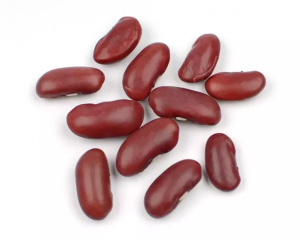 Kidney beans not only resemble the kidneys but also remove waste and toxins from the kidney and flush out kidney stones effectively. Kidney beans are rich in Vitamin B, fiber and several minerals which help to clean the kidney and boost the function of the urinary tract.
3. Lemon Juice.
 Lemon juice is naturally acidic and increases citrate levels in urine, hence discouraging the formation of kidney stones. Lemon juice also filters blood and flushes out wastes and other toxins. Daily intake of diluted lemon juice reduces the rate of kidney stone formation and dissolves calcium oxalate crystals, which is the most common constituent of kidney stones. For people with kidney stones, combining lemon with olive oil ensures smooth passage of the stones.
4. Watermelon.
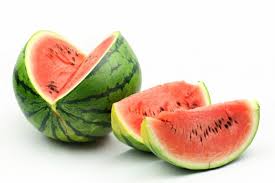 Watermelon is a mild diuretic. It hydrates and cleanses the kidneys. It is also rich in lycopene, which improves cardiovascular health and ensures well-functioning kidneys. Watermelon also has large quantities of potassium salts which regulate acidity of urine and prevents stone formation. In fact, eating watermelon regularly is great for kidney health.
5. Pomegranate.
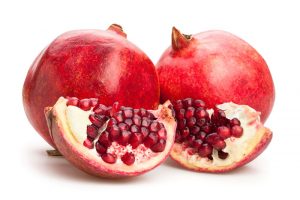 Both the juice and seeds of pomegranate contain large amounts of potassium and therefore are effective in removing kidney stones. Potassium lowers acidity of urine, prevents stone formation because of its astringent properties, curtails crystallization of minerals, and flushes out toxins and waste from the kidneys.
6. Basil.
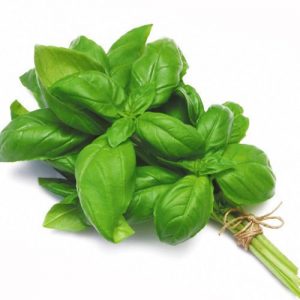 Basil is an effective diuretic. It removes kidney stones and improves kidney functioning. Basil also lowers the level of uric acid in blood and improves kidney health. Its ingredients such as essential oils and acetic acid break down kidney stones and allow for smooth removal. Basil is also a pain killer.
7. Dates.
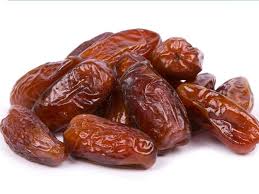 When dates are soaked in water for 24 hours and then consumed after seeds are removed, they are effective in dissolving and flushing out kidney stones. Dates are rich in fiber, helping to reduce the risk of kidney stones. The magnesium ingredient in dates also cleanses the kidneys.
8. Dandelion.
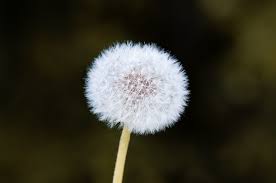 Consuming tea made using dried organic dandelion or fresh dandelion root (pulled from the ground) helps to cleanse the kidneys. Dandelion is a kidney tonic, but also stimulates bile production to improve digestion and minimize the waste reaching the kidneys.


Comments
Post a Comment